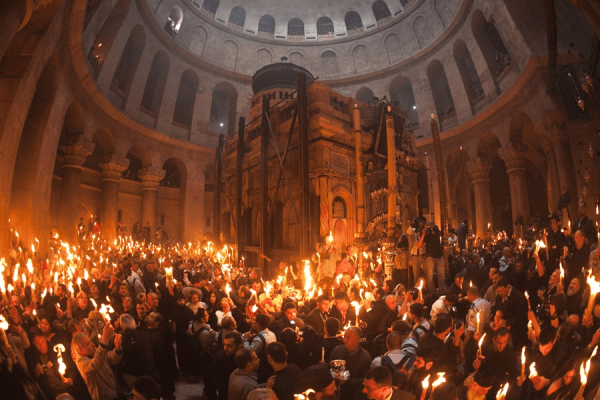
The Protestant Foundation of American Greatness

Throughout history, civilizations have risen and fallen based on the values at their core. While Catholic and Orthodox traditions have contributed significantly to theology, culture, and the arts, it was Protestant values—born out of the Reformation—that laid the moral and philosophical foundation for what many consider the greatest nation in the world: the United States of America.


Individual Liberty and the Right to Conscience

At the heart of the Protestant Reformation was the conviction that each person has the right and responsibility to read Scripture and relate to God directly. Martin Luther’s bold statement at the Diet of Worms, where he refused to recant his beliefs in front of the Holy Roman Emperor and other influential figures, became a defining moment. His refusal, famously expressed as, “Here I stand, I can do no other,” became a symbol of individual conscience and the right to stand firm on one’s convictions, even in the face of powerful opposition.

This spiritual revolution planted the seeds for a political one. The belief that no human institution—religious or political—has final say over one’s relationship with truth directly influenced the American ideals of freedom of religion, speech, and conscience. The American understanding that government exists to serve the people—not rule them—was deeply shaped by this Protestant spirit.


The Protestant Work Ethic and the Pursuit of Excellence

Protestant theology, especially in Calvinist thought, viewed work as a sacred calling. Daily labor was not a burden, but a form of worship. This belief nurtured a culture that honored diligence, responsibility, and delayed gratification.

Rather than separating the sacred from the secular, Protestant culture saw all of life as infused with divine purpose. The fruits of this ethos? A flourishing economy, strong communities, and a relentless drive for innovation. The American dream was built on a Protestant foundation of discipline and vision.


Self-Governance and the Structure of Freedom

Protestant churches were often structured around covenantal relationships, not rigid hierarchies. Congregations governed themselves, holding members and leaders accountable in mutual submission under God. This church polity deeply informed the structure of American democracy.

The U.S. Constitution reflects this ethos: a voluntary agreement among equals, with checks and balances designed to prevent tyranny. American civic life—rooted in local governance, community involvement, and a healthy suspicion of centralized authority—owes much to this Protestant impulse toward freedom with responsibility.


Education and the Empowerment of the Individual Mind

Because Protestants believed every individual should read and interpret Scripture, they prioritized literacy and education. The result was the founding of countless schools and universities—many of America’s most prestigious institutions, like Harvard and Yale, were born from this vision.

This emphasis on education created an informed populace capable of meaningful political discourse and critical thought. Protestantism championed the idea that truth is knowable, and that the pursuit of knowledge is a sacred duty.


Moral Clarity and Accountability to God

In contrast to traditions that emphasized mediation through the church, Protestantism emphasized personal repentance, moral responsibility, and a direct relationship with God. Laws and public policy were expected to reflect objective moral standards, not mere popular opinion.

This conviction led to a citizenry that saw liberty not as license, but as a gift to be stewarded with integrity. It inspired leaders and communities to seek justice, stand against tyranny, and humbly submit to God’s higher authority.


A Nation Built on Protestant Bedrock

America’s greatness didn’t arise from monarchy or empire. It was built by people who believed:

  • In the dignity of the individual.
  • In the freedom to worship, speak, and live without fear.
  • In the moral responsibility of every citizen.
  • In the sacred call to work hard, live free, and pursue God.

While all Christian traditions bring richness to the global Church, it was Protestant values that uniquely shaped the American spirit of liberty, justice, and bold innovation. To forget this is to forget the very foundation of the freedoms we enjoy.

To preserve what is good, we must remember what made it great in the first place.
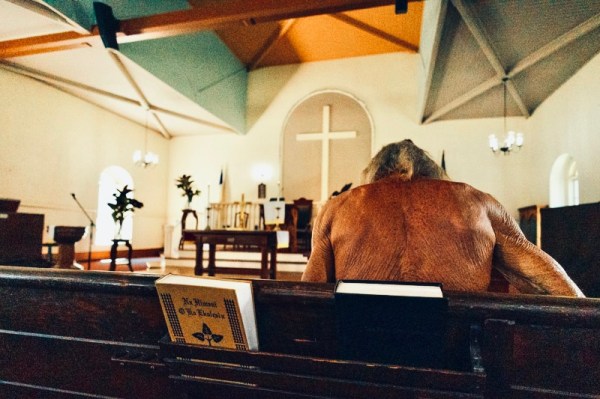
A Return to Structure: The Protestant Soul in a Time of Orthodox Resurgence

In today’s chaotic cultural moment, we’re witnessing something fascinating and deeply symbolic: a growing number of people—especially young men—are leaving the modern, often ambiguous expressions of Christianity and finding their way back to older, more structured forms of faith.

Catholicism and Eastern Orthodoxy are growing, not only in numbers, but in cultural resonance. Men in particular seem drawn to the hierarchy, mystery, and formality of these ancient rites. After decades of what many experience as a feminized, overly therapeutic version of Protestant worship—soft music, casual theology, and an often liberal moral framework—Orthodoxy offers something profoundly countercultural: disciplinereverence, and order. It is the architecture of belief, not just the emotion of it.

And in many ways, this swing makes sense. We are a generation raised in fragmentation. In the Protestant world, churches have multiplied into thousands of denominations and independent ministries, each interpreting Scripture in their own way, with no unified standard of tradition or authority. The once-radical freedom of sola scriptura (Scripture alone) has, over time, morphed into a kind of religious relativism. If every pastor and every believer is their own final authority, then who speaks for the faith?

This “rogue Protestantism” has left many hungry for something more rooted. In the wake of theological drift and cultural compromise, Orthodoxy and Catholicism stand like stone cathedrals in a storm. And yet, in our eagerness to return to structure, we must not forget what sparked the Protestant movement in the first place—or what it ultimately gave to the world.

The Fire That Started It All

The Protestant Reformation was not merely a rebellion against church authority—it was a reclamation of truth. Martin Luther and other Reformers saw a Church that had become too entangled with political power, too buried under layers of bureaucracy and corruption, too far removed from the simplicity and power of the Gospel.

Their cry was simple: return to the Word.
Return to the authority of Scripture.
Return to a personal, living faith in God—not one mediated only through priests or sacraments, but one that engages the heart, the conscience, and the mind.

This spiritual movement didn’t just reform the Church—it reformed entire nations. The Protestant work ethic, the emphasis on the dignity of the individual, and the idea that each person could read, interpret, and act on Scripture for themselves laid the groundwork for modern democracy and liberty.

It is no accident that the American Constitution was born in a Protestant context. The belief in limited government, personal freedom, and moral responsibility grew out of a theological worldview that trusted the conscience of the individual under God. Protestants believed that each soul could stand directly before their Creator—and that no king, pope, or bureaucracy should stand in the way.

The Danger of Losing the Balance

And so we find ourselves at a crossroads.

On one side is the chaos of hyper-individualism—churches that have lost their theological backbone, where truth is relative and tradition is optional. On the other side is the growing allure of ancient order—a return to creeds, incense, fasting, and mystery. Both impulses contain truth. Both responses are, in part, reactions to our cultural crisis.

But we must not swing so far back into tradition that we forget the why behind the Reformation. Just as we resist the soul-flattening effects of socialism’s bureaucracy in government, we must also resist the temptation to outsource spiritual responsibility to institutions alone. The Protestant soul must remember that structure without conviction becomes hollow ritual. And conviction without structure becomes chaos.

A New Reformation?

What we need now may not be a return backward, but a reformation forward—one that honors the sacred roots of tradition while reigniting the personal fire of faith. One that understands why young men crave strength, order, and masculinity in worship—but also why freedom of conscience, Scripture-centered theology, and resistance to centralized religious control still matter.

We need both pillars: the sacred tradition that grounds us and the radical freedom that empowers us to live it out.

If Protestantism is to survive and thrive, it must remember its fire—not just its form. And if Orthodoxy and Catholicism are to truly offer healing to the modern world, they must resist becoming merely beautiful structures that ask no questions.

The garden we lost was both structured and free. Eden had order, but it also had the wild, living presence of God walking among us.

May we return to that balance. May we hear the echoes of Eden again.

Awakening in the Garden: A Resurrection of the Soul. Welcome to Echoes of Eden — and Happy Easter.

Easter is a story of return.
Of light breaking through the tomb.
Of the impossible becoming real.
And the human heart, once hardened by sorrow or doubt, made soft again by the breath of God.

In the Christian tradition, Easter is the ultimate moment of redemption — when death is swallowed by life, and the brokenness of the world is answered by divine mercy. But the power of this story transcends denomination or dogma. Whether you grew up in church or have only just begun to wonder about God, there’s something in the Easter moment that speaks to all of us.

It’s the echo of Eden.

A deep knowing that we were made for something more.
That healing is possible.
That truth exists — and it calls us home.

We live in a fractured world. One where the soul is often exiled. Where beauty is commodified, tradition is abandoned, and spiritual hunger is masked by noise and distraction. But even in the midst of this, the call remains. The whisper in the garden. The invitation to rise.

To return.

This blog is born out of that invitation — and perhaps, so are you.
Maybe you’ve felt the quiet pull to remember who you really are. To challenge what you’ve been told. To seek out what’s true, no matter the cost.

Echoes of Eden is a space for that journey.

Here, we’ll explore how the sacred and the ordinary meet — in the body, in nature, in art, in Scripture, in the world’s great traditions, and in the silent places of the heart. We’ll talk about healing. About systems. About spiritual hunger. About the real battle between illusion and truth. And through it all, we’ll ask the deeper question: What would it mean to wake up — fully — and walk with God again?

Easter is not just about what happened two thousand years ago.
It’s about what’s still happening now.

Resurrection is available.
Right now.
In you.

So welcome.
To the garden.
To the journey.
To the beginning of something holy.


What does resurrection mean to you? I’d love to hear in the comments.
And if this message speaks to your heart, share it with someone who might need a breath of new life today.

🌿 Welcome to Echoes of Eden

A blog for seekers, creators, and lovers of truth

Have you ever felt a deep memory within your soul — a longing for something pure, beautiful, and lost? Like a garden once known?
That’s the feeling behind Echoes of Eden.

This space is born from that ache and hope — a place to explore the threads of truth that still shimmer through our modern lives: in art, in ancient wisdom, in food that heals, in silence, in scripture, in joy, and even in suffering.

Here, you’ll find reflections that bridge:

  • Theology & natural medicine
  • Ancient tradition & spiritual awakening
  • The personal & the universal
  • Beauty & truth
  • Eden — and how we might still hear it calling

I’m Anna, a photographer, thinker and spiritual seeker. I’ve walked many paths — from Buddhist monasteries to fruit-based healing journeys, from meditation to the Christian mystery, from rebellion to reverence. This blog is a gathering of everything I’ve seen, questioned, lived, and continue to seek.

You’re welcome here — whether you come from faith or doubt, reason or revelation.

My hope is to spark something in you. A memory. A hunger. A healing. A calling.

Come walk the garden paths with me. Let’s listen for Eden’s echo — together.

With love,
Anna 🌿

Blog at WordPress.com.

Up ↑