Throughout history, civilizations have risen and fallen based on the values at their core. While Catholic and Orthodox traditions have contributed significantly to theology, culture, and the arts, it was Protestant values—born out of the Reformation—that laid the moral and philosophical foundation for what many consider the greatest nation in the world: the United States of America.
Individual Liberty and the Right to Conscience
At the heart of the Protestant Reformation was the conviction that each person has the right and responsibility to read Scripture and relate to God directly. Martin Luther’s bold statement at the Diet of Worms, where he refused to recant his beliefs in front of the Holy Roman Emperor and other influential figures, became a defining moment. His refusal, famously expressed as, “Here I stand, I can do no other,” became a symbol of individual conscience and the right to stand firm on one’s convictions, even in the face of powerful opposition.
This spiritual revolution planted the seeds for a political one. The belief that no human institution—religious or political—has final say over one’s relationship with truth directly influenced the American ideals of freedom of religion, speech, and conscience. The American understanding that government exists to serve the people—not rule them—was deeply shaped by this Protestant spirit.
The Protestant Work Ethic and the Pursuit of Excellence
Protestant theology, especially in Calvinist thought, viewed work as a sacred calling. Daily labor was not a burden, but a form of worship. This belief nurtured a culture that honored diligence, responsibility, and delayed gratification.
Rather than separating the sacred from the secular, Protestant culture saw all of life as infused with divine purpose. The fruits of this ethos? A flourishing economy, strong communities, and a relentless drive for innovation. The American dream was built on a Protestant foundation of discipline and vision.
Self-Governance and the Structure of Freedom
Protestant churches were often structured around covenantal relationships, not rigid hierarchies. Congregations governed themselves, holding members and leaders accountable in mutual submission under God. This church polity deeply informed the structure of American democracy.
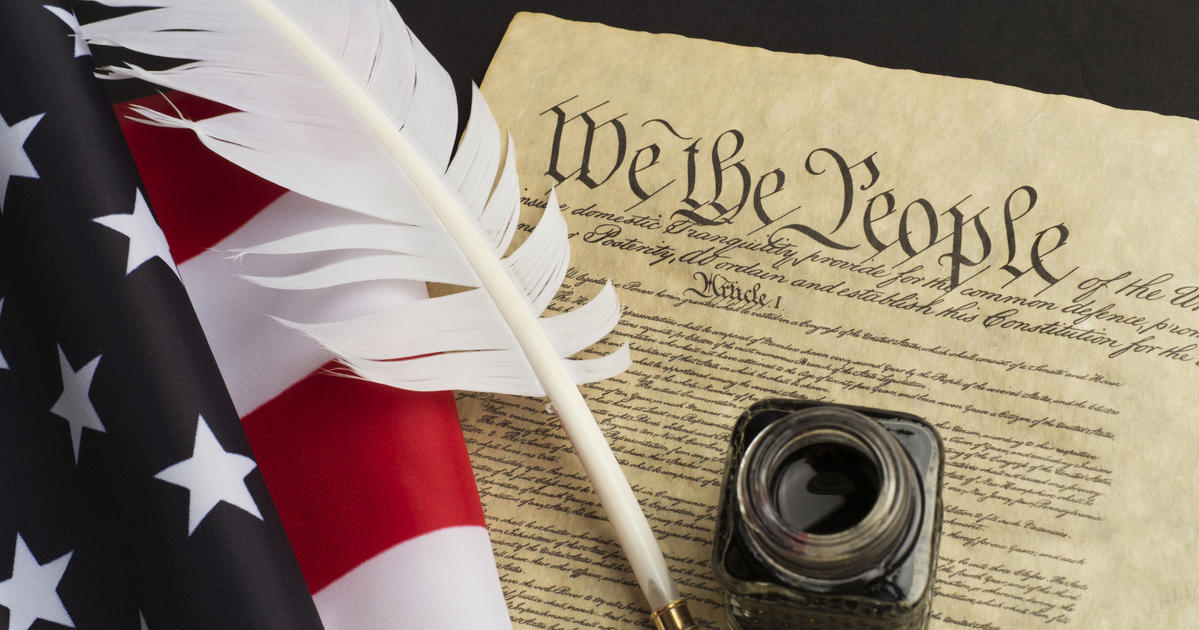
The U.S. Constitution reflects this ethos: a voluntary agreement among equals, with checks and balances designed to prevent tyranny. American civic life—rooted in local governance, community involvement, and a healthy suspicion of centralized authority—owes much to this Protestant impulse toward freedom with responsibility.
Education and the Empowerment of the Individual Mind
Because Protestants believed every individual should read and interpret Scripture, they prioritized literacy and education. The result was the founding of countless schools and universities—many of America’s most prestigious institutions, like Harvard and Yale, were born from this vision.
This emphasis on education created an informed populace capable of meaningful political discourse and critical thought. Protestantism championed the idea that truth is knowable, and that the pursuit of knowledge is a sacred duty.
Moral Clarity and Accountability to God
In contrast to traditions that emphasized mediation through the church, Protestantism emphasized personal repentance, moral responsibility, and a direct relationship with God. Laws and public policy were expected to reflect objective moral standards, not mere popular opinion.
This conviction led to a citizenry that saw liberty not as license, but as a gift to be stewarded with integrity. It inspired leaders and communities to seek justice, stand against tyranny, and humbly submit to God’s higher authority.
A Nation Built on Protestant Bedrock
America’s greatness didn’t arise from monarchy or empire. It was built by people who believed:
- In the dignity of the individual.
- In the freedom to worship, speak, and live without fear.
- In the moral responsibility of every citizen.
- In the sacred call to work hard, live free, and pursue God.
While all Christian traditions bring richness to the global Church, it was Protestant values that uniquely shaped the American spirit of liberty, justice, and bold innovation. To forget this is to forget the very foundation of the freedoms we enjoy.
To preserve what is good, we must remember what made it great in the first place.
 Echoes of Eden
Leave a comment